
Percutaneous Endoscopic Gastrostomy (PEG)
PEG – Long-Term Nutritional Support
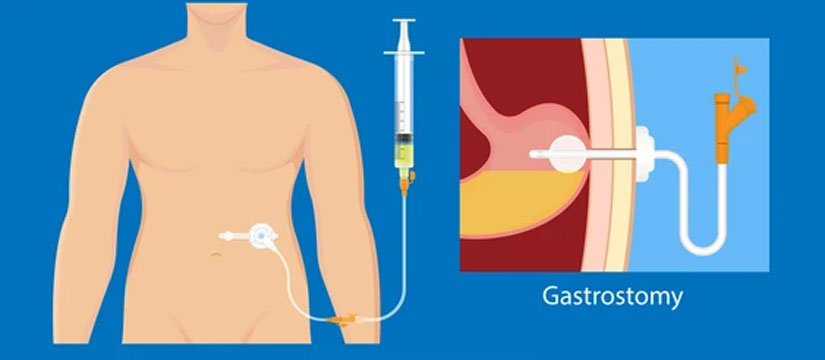
Percutaneous Endoscopic Gastrostomy (PEG) is a minimally invasive procedure used to place a feeding tube directly into the stomach for patients who cannot eat or swallow safely for a long period.
Who Needs PEG?
PEG is recommended for patients with:
- Stroke or neurological disorders
- Head and neck cancers
- Severe swallowing difficulty
- Prolonged unconsciousness
- Chronic malnutrition
How is PEG Done?
The procedure is performed using an endoscope under sedation. A small opening is created in the abdomen, and the feeding tube is safely inserted into the stomach.
Benefits of PEG
- Safe and effective long-term nutrition
- Improves patient strength and recovery
- Minimally invasive
- Quick recovery
PEG significantly improves quality of life for patients requiring long-term nutritional support.
For expert PEG placement, Contact Us