
Jaundice
Jaundice – Complete Overview
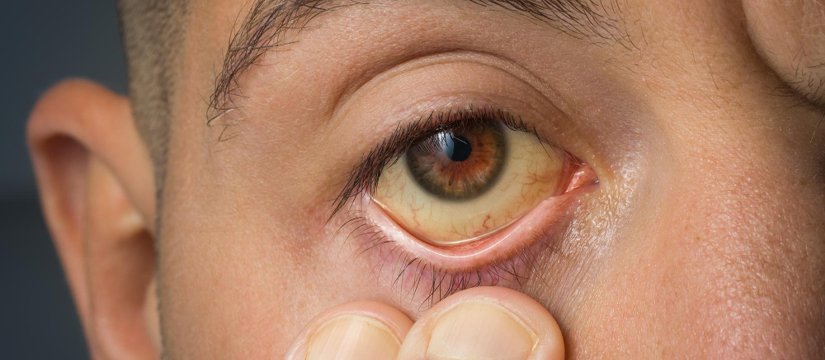
Jaundice is a condition characterized by yellowing of the skin and eyes due to an accumulation of bilirubin in the blood. It indicates liver dysfunction or bile duct obstruction and can result from various underlying conditions, including hepatitis, gallstones, or hemolytic disorders.
Symptoms of Jaundice
Common symptoms associated with jaundice include:
- Yellowing of the skin and eyes
- Dark-colored urine
- Pale stools
- Fatigue and weakness
- Abdominal pain, especially in the liver area
- Nausea and vomiting
- Itching (pruritus)
Causes of Jaundice
Jaundice can result from various liver, blood, or bile duct disorders:
- Viral hepatitis (A, B, C, D, E)
- Gallstones or bile duct obstruction
- Liver cirrhosis or fatty liver disease
- Hemolytic anemia (rapid breakdown of red blood cells)
- Certain medications or toxins affecting the liver
Treatment Options for Jaundice
Treatment focuses on addressing the underlying cause and supporting liver function:
Lifestyle & Home Care
- Follow a liver-friendly diet, avoiding alcohol and fatty foods
- Stay hydrated and maintain proper nutrition
- Rest adequately and avoid strenuous activity during recovery
- Practice good hygiene to prevent infectious causes
Medications & Medical Treatment
- Antiviral medications for viral hepatitis
- Surgical intervention for bile duct obstruction or gallstones
- Supportive care for liver function (hydration, vitamins)
- Treatment of underlying anemia or other contributing conditions
Early diagnosis and proper treatment of jaundice can prevent serious complications and liver damage.
For consultation, Contact Us