
Endoscopy
Endoscopy – Complete Overview
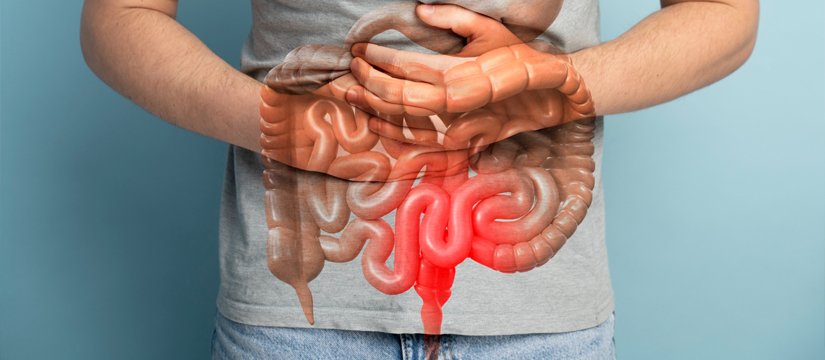
Crohn’s disease is a chronic inflammatory bowel disease (IBD) that can affect any part of the digestive tract, most commonly the small intestine and colon. It causes inflammation, leading to pain, diarrhea, and other digestive problems.
Although the exact cause is unknown, it is believed to result from an abnormal immune response, genetic factors, and environmental triggers.
Early diagnosis and proper treatment help manage symptoms and prevent complications.
Symptoms of Crohn’s Disease
Symptoms can vary depending on the severity and location of inflammation:
- Diarrhea, sometimes with blood or mucus
- Abdominal pain and cramping
- Unintended weight loss
- Fatigue
- Fever
- Loss of appetite
- Nausea and vomiting
Causes of Crohn’s Disease
The exact cause is unknown, but contributing factors include:
- Immune system dysfunction causing inflammation
- Genetic predisposition (family history)
- Environmental triggers (diet, stress, infections)
- Smoking increases the risk and severity
Treatment Options for Crohn’s Disease
Treatment aims to reduce inflammation, control symptoms, and maintain remission. It may include:
Lifestyle & Home Remedies
- Eat smaller, frequent meals
- Keep a food diary to identify triggers
- Stay hydrated
- Quit smoking
- Manage stress through relaxation and exercise
Medications
- Anti-inflammatory drugs: Such as corticosteroids or aminosalicylates
- Immune system suppressors: To reduce immune response causing inflammation
- Biologics: Targeted therapy for severe cases
- Antibiotics: To treat infections or complications
- Supplements: To correct nutrient deficiencies
Crohn’s disease is a chronic condition. Regular follow-up with a gastroenterologist is essential to monitor disease activity and prevent complications.
For consultation, Contact Us